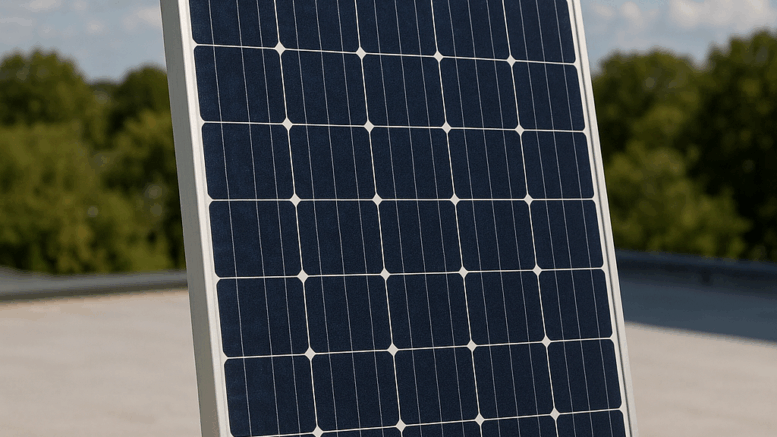
Solar panels offer many advantages for home owners looking to slash their energy bills
Installing solar panels at home is a great way to cut your energy bills and reduce your carbon footprint.
First, check if your home is suitable for solar panels. A south-facing roof works best, but east- or west-facing roofs can also generate good results. Make sure there’s enough roof space and that your roof is in good condition.
Next, look into the costs. Prices vary depending on the size of the system and whether you add extras like a battery to store energy. While it’s an upfront investment, the savings on electricity and the ability to earn money by selling unused energy back to the grid can make it worthwhile.
Most homes in the UK don’t need planning permission for solar panels. However, if you live in a listed building or conservation area, it’s best to check with your local council before starting.
It’s important to hire a professional installer who is certified under the Microgeneration Certification Scheme (MCS). This ensures that your system meets safety standards and qualifies you for the Smart Export Guarantee, a scheme that pays you for any excess electricity you generate.
Once you choose an installer, they’ll carry out a survey, put up scaffolding, install the panels and connect everything to your home’s electricity. After that, they’ll test the system and provide you with the necessary certification.
Finally, register your system so you can start earning payments for extra energy you export to the grid. After installation, your panels will need very little maintenance—just occasional cleaning and checks to ensure they’re working efficiently.
By following these steps, you can enjoy clean, renewable energy and lower your energy bills for years to come.
Be the first to comment on "How to install solar panels in a domestic premises"